

Home >    About Calcium    Beyond Bones    Calcium Intake    Food Sources    Supplements    Links    Buy Now      

If calcium levels in the blood drop below normal, calcium will be “borrowed” from bone. Therefore, it is important to consume enough calcium every day to maintain adequate blood and bone calcium levels. If you can’t get enough through your diet, and most people don’t, then there is calcium supplementation to ensure you get your adequate daily intake.

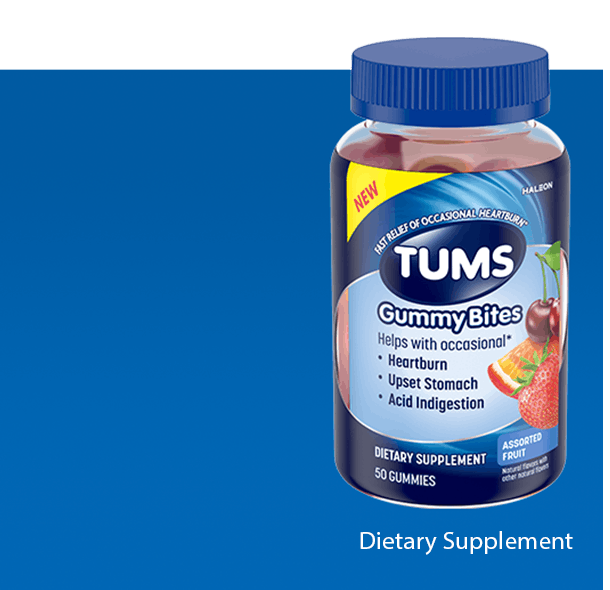
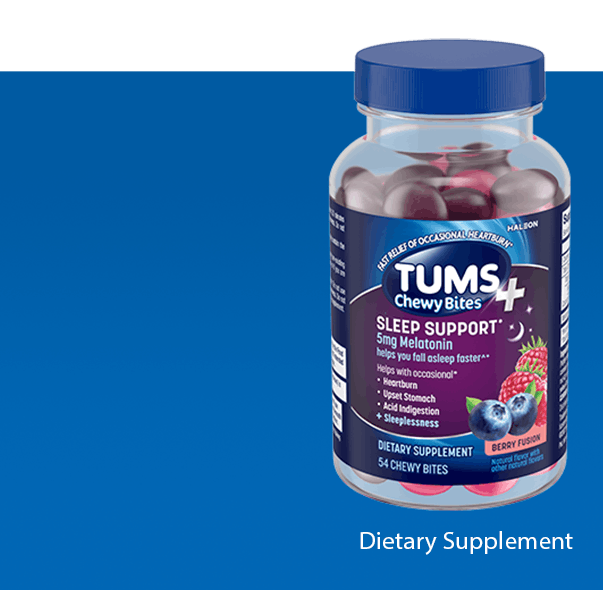
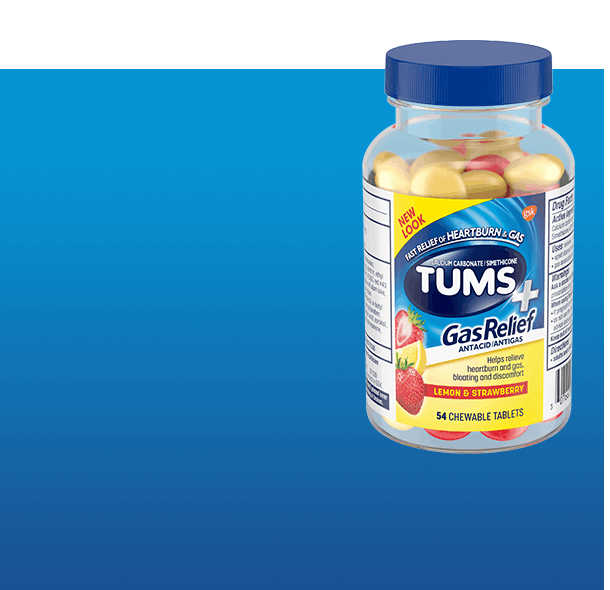
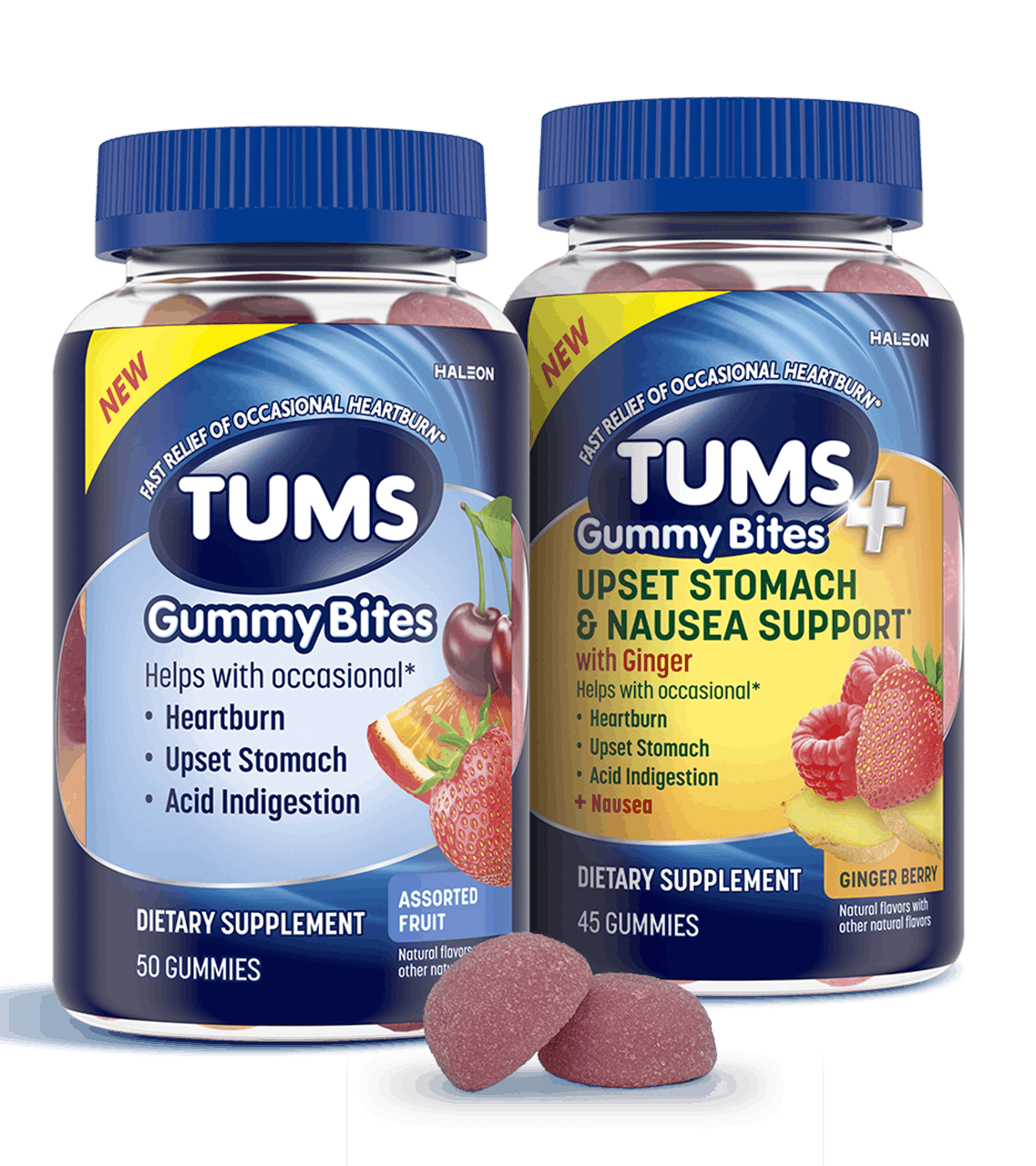
Calcium supplements, like TUMS® and Os-Cal®, are an excellent choice and are available over-the-counter.

The recommended calcium intake for adults is 1,000 to 1,300 milligrams daily, depending upon age, gender and personal circumstances (for example, a woman who is pregnant, breastfeeding or dieting might require more dietary calcium). One serving of dairy product provides approximately 300 milligrams of calcium, so those who do not consume enough calcium from food sources may need calcium supplements to meet their daily requirement.

Many people think they get enough calcium from their multi-vitamins. But this is NOT true. Multi-vitamins typically do not contain more than 200 to 250 mg of calcium. Even in the case of prenatal vitamins for pregnant women, the calcium content is typically 200-250mg and that won’t be enough to meet the daily demands during pregnancy for her and her growing baby. A multi-vitamin or pre-natal vitamin may provide additional nutrients and vitamins, but people whose diets are low in calcium may need to take additional calcium supplementation.

Best Forms of Calcium Supplementation


The selection of a calcium supplement should be determined by a number of factors, including availability, purity, absorbability and tolerance. Many questions arise about the choice between calcium carbonate and calcium citrate.

Calcium carbonate is generally the least expensive and the most widely used. Eight-five percent of all calcium supplements sold in the US are made from calcium carbonate. Calcium carbonate is also used frequently in antacids. Calcium carbonate comes in swallowable tablets, for example Os-Cal®, and in chewable forms, like TUMS®. Calcium carbonate is best absorbed when ingested along with food, so it should be taken with meals. Meals can also help serve as a reminder to take calcium supplements on a regular basis – at breakfast and at dinner.

Both calcium carbonate and calcium citrate can be taken with acid-reducing agents such as antacids, H2 antagonists or prescription medications, such as Prilosec™. And both calcium carbonate and calcium citrate are appropriate for people with normal gastric pH, achlorhydria, hypochlorhydria, heartburn, and GERD.

Calcium carbonate has been found to be safe and has been used to supplement daily calcium intake in men and women of all ages up to 2,000 mg per day. It is also the most concentrated calcium supplement and has about twice as much elemental calcium by weight as calcium citrate. Therefore, it requires fewer or smaller tablets to achieve a given dose of elemental calcium, the calcium your body actually uses.

The key is to choose a supplement that you will actually take every day. Check the label of your supplement for the amount of elemental calcium per tablet. TUMS® and Os-Cal® are good, cost effective sources of calcium . TUMS® and Os-Cal® are also the two most doctor-recommended calcium supplements.

Specific Differences in Absorption Between Calcium Carbonate Versus Calcium Citrate

There are no differences in the amount of calcium absorbed from Os-Cal®, containing calcium carbonate, and Citracal® containing calcium citrate. There are significant differences in the cost and size of the commercially-available tablets. Os-Cal is less expensive, and because it contains the most concentrated form of calcium, you need to take fewer tablets to meet daily requirements.

A recent study in the Journal of the American College of Nutrition compared the absorption and cost-effectiveness of single doses (500 mg) of commercially-available Os-Cal® calcium carbonate and Citracal® calcium citrate in 24 postmenopausal women.

The researchers, led by Dr. Robert P. Heaney, an internationally recognized calcium authority, found that both calcium supplements were absorbed equally (in other words, they were bioequivalent), and therefore had equivalent bioavailability. However, Citracal costs between 1.5 and 1.8 times as much as Os-Cal® per mg of elemental calcium. Factoring in the savings in annual health care costs that could result from preventing fractures associated with osteoporosis, cost benefit analysis of the two supplements documented that treating all people 65 years or older with Os-Cal® could yield net savings of up to $478 million in U.S. annual health care costs. Because of their higher cost, there were no savings if Citracal supplements were used in place of Os-Cal®.

The authors also found that consuming higher levels of vitamin D increased calcium absorption by up to 65%, even when the initial level of blood vitamin D was normal.

Side Effects

A study directly compared the gastrointestinal tolerability of calcium carbonate, calcium citrate and calcium phosphate, three different types of calcium supplement. All were well tolerated compared to placebo. The only difference was slightly more bloating with calcium citrate. The reported incidence of bloating, gas or constipation with calcium carbonate was equivalent to, or less than, placebo.

Side effects can also be caused by non-calcium ingredients in supplements.

Coral Calcium

Coral calcium supplements are made from limestone, which is a form of calcium carbonate. Some individuals selling coral calcium have made health claims that go well beyond any research findings. As a result there has been FDA and FTC action due to lack of data to support claims.

Because those coral calcium marketers were making health claims that were not supported by scientific research, they came under investigation by the Federal Trade Commission (FTC) and the Food and Drug Administration (FDA). Two marketers were ordered to stop their infomercials touting unsupported health claims and to return money made as a result of those ads. In addition, the FTC warned several additional coral calcium marketers to remove misleading statements from their web sites.

In another report, researchers presented results of a study on a variety of well-known calcium supplements. They looked at whether or not the amount of calcium in each tablet measured up to the claims on the label, and their results were disappointing. In some instances the amount of calcium in the supplement was much less than the amount stated on the label. In other cases the supplements contained unacceptable levels of lead contamination and some did not dissolve fully in the stomach.

Elemental Calcium

Calcium is never found free in nature because it forms compounds, otherwise known as calcium salts. For example, calcium combines with carbon and oxygen, two other elements, to make calcium carbonate, which is the calcium source in TUMS® and Os-Cal®. The label “elemental” designates the percentage of the substance that is pure calcium. For example, calcium carbonate is 40% calcium and the citrate form is 21% calcium.

Using calcium carbonate as an example, for every tablet that contains 1,000 mg of calcium carbonate, 400 mg (40%) of that tablet is elemental calcium. The recommended dose refers to the amount of elemental calcium so the % daily value of 100% is equal to 1,000 mg of elemental calcium.

Elemental Calcium Content of Forms of Calcium Supplements and Foods

  • Calcium carbonate (available in both TUMS® and Os-Cal®): 40%
  • Calcium phosphate: 38%
  • Calcium citrate: 21%
  • Lactate calcium: 13%


Table of Contents
Calcium-Rich Recipe Tricks

  • Stir 2tbs. non-fat dry milk powder into your favorite beverage.
  • Make hot cereal or soups with skim milk instead of water
  • Use plain yogurt as a substitute  for sour cream or mayonnaise in recipes
  • Use canned salmon with bones in place of tuna in sandwich spreads or fillings
  • Chop tofu, grill it with herbs or add some to your favorite stir fry dish.
Calcium Calculator

Use the Calcium CalculatorSM to estimate your current daily calcium intake, and learn about sources of calcium to help you achieve your recommended daily intake.