Home >    Calcium Questions :      


Calcium: What Do I Need to Know?


Calcium is an essential nutrient our body needs every day. You may already know that it helps build and maintain healthy teeth and bones. But that’s not all. Calcium also keeps your heart beating steadily, your blood, nerves and muscles working correctly.

Calcium is a key factor to keeping your body running smoothly. Because your bones contain calcium, if you do not get enough from your daily diet, your body will "steal" the calcium from your bones to use for other functions. Over the long run this can reduce your bone strength and lead to osteoporosis, a potentially crippling disease of thin and fragile bones.

Osteoporosis can make your bones so weak, in fact, that they can break with a firm handshake. Because people often do not get enough calcium from their diets, osteoporosis is now a major health concern and one of our most common diseases, affecting over 10 million Americans, with another 34 million having reduced bone mass.

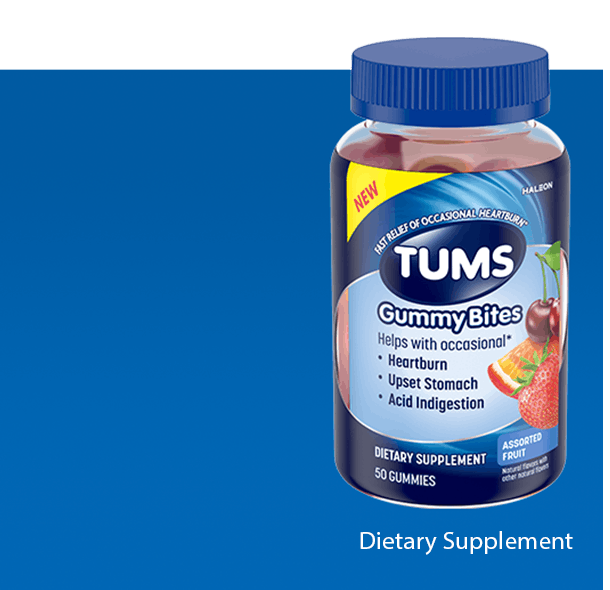
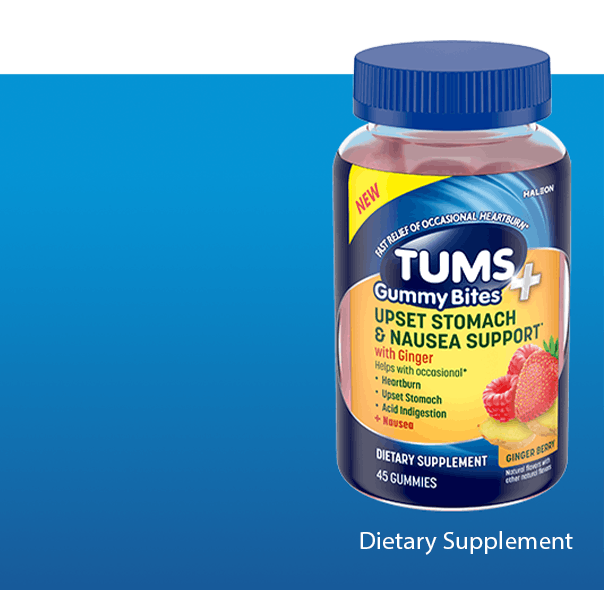
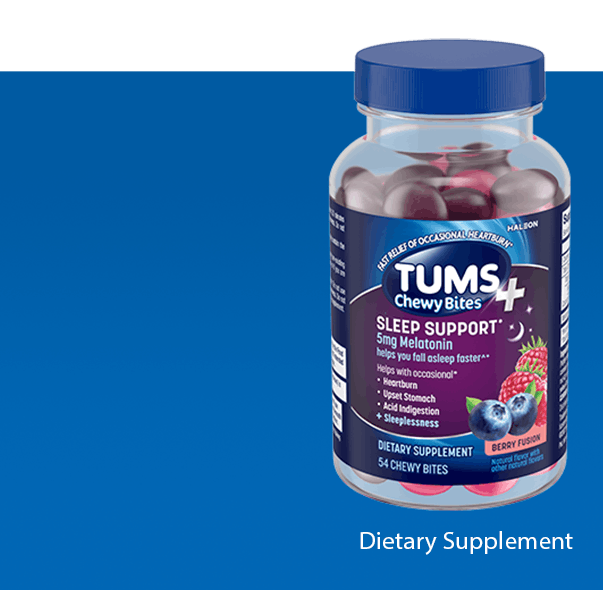
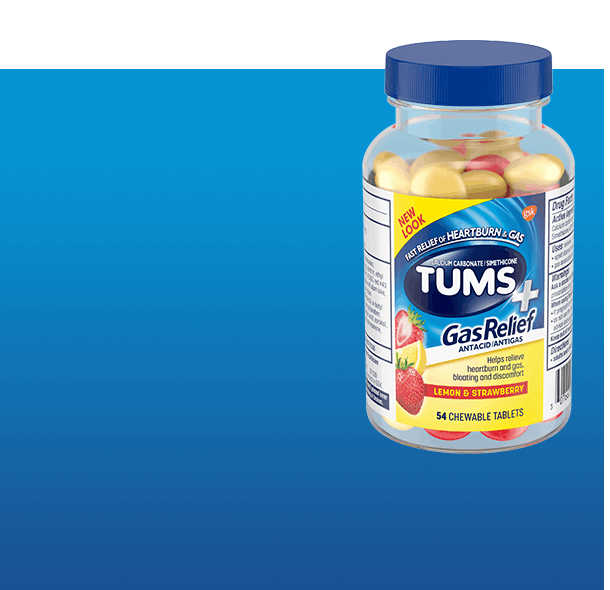
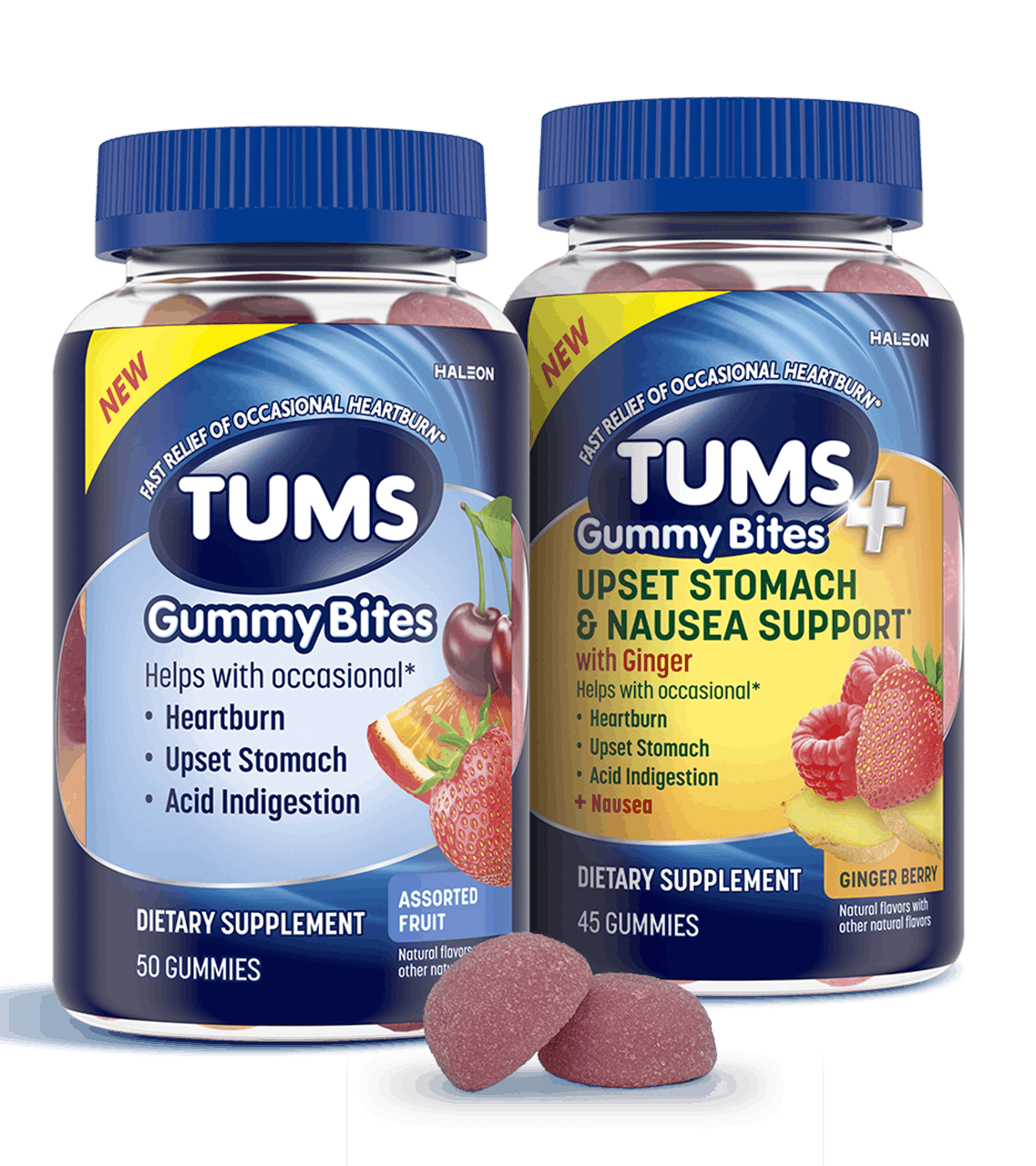
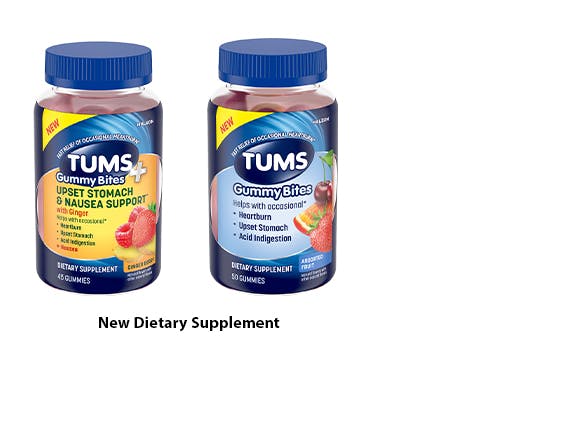
What can you do? You can make smarter choices about what you eat. Add calcium-rich foods such as low-fat dairy products and broccoli to your daily diet. If you can’t get enough calcium from your diet, you can add a calcium supplement like Tums® or Os-Cal® to your daily routine to make up the calcium gap.

The information on this web site provides you with the basic facts about calcium, tells you how to get it daily and answers some commonly asked questions. Remember: Calcium is essential to good health and getting enough can help you reduce the risk of osteoporosis. But calcium is only part of the picture. You also need exercise and a balanced diet to help prevent osteoporosis and stay healthy.

What is the Calcium Continuum?


Your need for calcium starts even before you are born and extends throughout your lifetime. However, most people today are consuming fewer dairy products and vegetables that are calcium-rich. Think about your own diet. How many glasses of milk, if any, do you drink a day? When was the last time you had cottage cheese, broccoli, or sardines?

The most recent government survey of the eating habits of Americans confirms that most people are not getting enough calcium. Teenagers, young women and post-menopausal women in particular are consuming far less than is healthy -- and less than their body's need.

How much calcium do you need each day? On average, if you’re not drinking three glasses of milk per day, you’re not getting enough.

Is Calcium Essential During Childhood to Young Adulthood?

From birth until about age 18, bones are forming and growing. Calcium is essential to this process. Breast milk and infant formulas are rich in calcium. As children grow, it is equally important that their diet remain calcium-rich.

Unfortunately, the calcium intake of most Americans peaks at age eight. Think about it. While preschoolers have most of their diet chosen by a parent, by age eight, children are making more decisions on their own. They prefer juice or soda to milk with lunch. They like other snacks besides cheese and yogurt.

During late adolescence, through young adulthood, adult bone is formed and reaches its maximum strength and density. Bones continue to accumulate calcium and become stronger after we have stopped growing. The calcium that you provide to your bones when you are young determines how well they will hold up later in life. By age 35 your bones are about as strong as they are ever going to be.

How Does Calcium Help During the Childbearing Years?

No matter what age a woman is when she becomes pregnant, calcium is very important to both her and the growing baby. Calcium from the mother’s body is used by the developing baby, putting increased demands on the pregnant woman’s supply. Additional calcium may be needed to meet both the pregnant woman’s and the developing baby’s needs.

Based on an analysis published in the Journal of the American Medical Association there is evidence that calcium supplementation can help maintain normal blood pressure in pregnant women with consistently low calcium intakes. Pregnancy-induced high blood pressure is a serious complication that can put both mother and child at risk.

How Does Menopause Affect Calcium Requirements?

When a woman enters menopause, her body produces much less of the female hormone estrogen. Loss of estrogen increases the risk of osteoporosis. Simply put, osteoporosis is a thinning of the bones. Bones become weak and fragile and can break easily. That’s why it is so important to take steps to help protect yourself from osteoporosis by getting enough calcium every day.

The National Osteoporosis Foundation recommends that women make certain they get adequate daily calcium intake in order to assure prescription osteoporosis medications work more effectively. Men are also vulnerable to osteoporosis and need to consume adequate calcium through their older years to prevent further bone loss, and in their younger years to achieve peak bone mass.

How Can I Increase My Calcium Intake?

Non-fat or low-fat dairy products provide the easiest, most plentiful sources of calcium in the diet. In addition, try adding broccoli, kale, and salmon, especially with the bones included, to your diet. Many foods are now fortified with calcium, including fruit juices, snack foods and breakfast cereals. You might find the easiest way to get the daily calcium you need is to make changes in your diet and take a calcium supplement.

Am I Getting Calcium From My Multi-Vitamins?

You are getting some calcium, but not nearly enough of the daily requirement. Read the label. Even in the case of prenatal vitamins for pregnant women, the calcium content in most pre-natals is only about a third of what is required daily to meet the demands of the mother and growing baby. A multi-vitamin may provide additional nutrients and vitamins that your body needs, but if your diet is low in calcium, you need to take a special calcium supplement.

Do I Need Other Nutrients Like Vitamin D With My Calcium Supplement?

Vitamin D helps your body absorb and use calcium. Unlike calcium, however, vitamin D can be stored by the body for extended periods of time. It does not have to be taken exactly at the same time as your calcium supplement.

Vitamin D is available from fortified dairy products, cod liver oil and fatty fish, and is manufactured by the body in response to exposure to sunlight. Most multi-vitamins also contain 100% of the daily value of Vitamin D.

Elderly and the homebound, in particular, often do not get enough vitamin D. Also, during the winter season the sunlight in the Northern parts of the U.S. is not intense enough to build up vitamin D in your body. If you think you are not getting enough vitamin D, talk to your doctor or health-care professional. You may also consider Os-Cal® as a calcium supplement with vitamin D.

Will I Have Any Problems Taking Calcium?


It’s very difficult to get too much calcium. Any excess which the body cannot use is excreted from the body in the urine and stool. Daily consumption up to 2,500 mg has been shown to be safe.


Does Low Calcium Intake Increase My Risk for Kidney Stones?

Additional calcium intake may actually lower your risk for kidney stones. The largest study ever conducted on calcium and kidney stones, published in the New England Journal of Medicine in 1993, and another published in 1997, showed that daily calcium intake above 850 mg was associated with decreased incidence of symptomatic kidney stones.

Reducing your intake of dietary oxalate, a substance found in wheat bran, rhubarb, beets and nuts may also lower your risk of stones. The most important dietary factor in preventing kidney stones is water. Drink plenty of fluids, but not soft drinks, to help lower your risk for stones. And keep taking your calcium. Restricting calcium intake could increase the risk of stones.

Do Calcium-Containing Antacids Interfere With Calcium Absorption?

No. Although stomach acid is necessary for some forms of calcium to be absorbed into the body, antacids do not interfere with this process. Calcium supplements taken with meals provide enough stomach acid for optimal absorption. Although calcium carbonate acts as an antacid, it can both neutralize the stomach acid and still be used by the body. Calcium carbonate supplements act as antacids and calcium carbonate antacids can serve as a source of calcium. The available calcium is the same.

Special Topics
Calcium Calculator

Use the Calcium CalculatorSM to estimate your current daily calcium intake, and learn about sources of calcium to help you achieve your recommended daily intake.